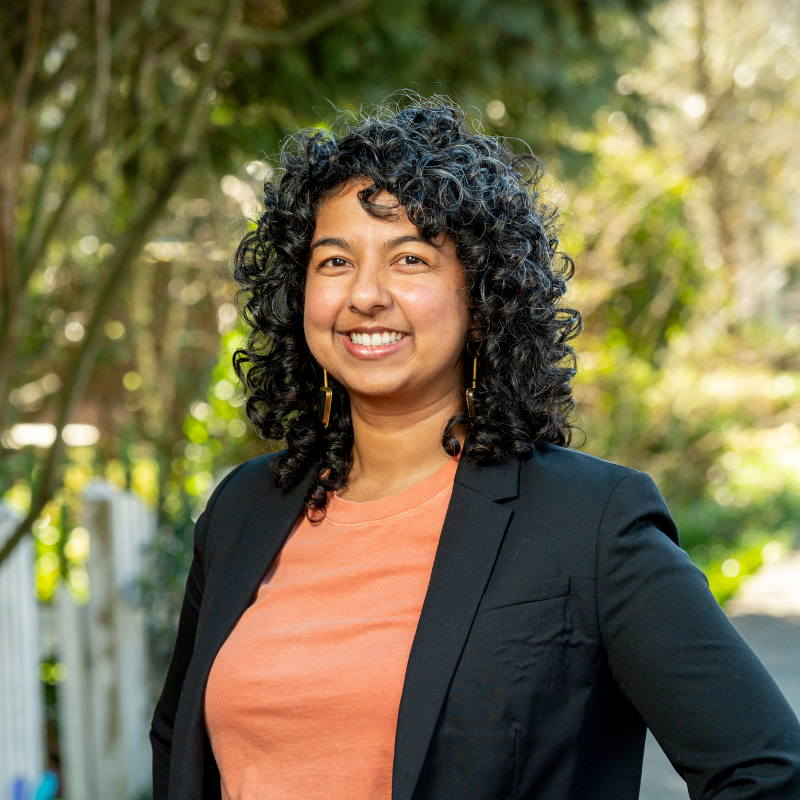
Every week, we'll send you an update on what happened at City Hall, School Board, and Parks Board in the last seven days. Hear directly from OneCity Councillor Lucy Maloney, OneCity School Board Trustee Jennifer Reddy, and OneCity Board Member Natalie Cushing on the goings on in City government.
City Council Update:
The Good, the Bad and the Ugly
I’m incredibly proud of my work at City Hall last week. I successfully moved a motion to double the Infrastructure Levy from 1% to 2% and pay down our current Infrastructure Deficit 20 years sooner. However ABC amended my motion to delete the parts that prioritised accessibility and seismic preparedness.
ABC successfully pushed through Ken Sim’s “Building Code” motion which wrapped the destruction of Vancouver’s climate leadership in the guise of affordability. There are so many things ABC could have done to make housing more affordable, like approve the Social Housing Initiative and lift the pause on net-new supportive housing approvals, refrain from making it even harder to build multiplex housing and allow more low-rise apartment buildings in neighbourhoods instead of just on arterial roads.
Last week ABC continued its cynical tactic of amending the substance out of opposition member motions so they can vote in favour of the shell of the motion and disguise the damage they’ve done. My motions to bolster the seismic preparedness of the City and make it easier for Arts & Culture organisations to gather the information they need to apply for funding grants were amended to remove their usefulness or referred back to staff “for information”, even though staff had already been provided with the motion and given feedback.
Despite a large turnout of advocates for the sector, ABC also gutted the “Understanding and Prioritizing Sex Worker Safety Policies and Resources” motion at a time when violence against sex workers in our City is increasing.
Last week I received a lot of passionate criticism for my vote on the City-initiated item “Fast-Tracking Rental Housing – Updates to Residential Rental Districts”.
Inclusionary Zoning is a requirement that in a particular building, a certain percentage of the homes are offered at "below market" (discounted) rates. It is not the developer that pays for this discount, it is the other tenants that live in that particular building - their rent subsidises the discounted rent.
But the "market rate" tenants are obviously only willing to pay actual current market rent, and although it is good news that rents are currently going down, it means that there's less rent to subsidise the below market homes required to be provided in the building. That simply means that these six floor rental apartment buildings that are required to provide 20% below market homes aren't being built any more.
So staff recommended that we reduce the "Inclusionary Zoning" (discount) requirement to 10% below market homes on six story buildings on the West Side, where high enough market rents can be charged to subsidise 10% Below Market Rental units. And on the East Side, market rents are not high enough to pay for any Below Market Rental units, so they recommended we remove the Inclusionary Zoning requirement altogether.
This change will help persuade developers to keep building six floor rental buildings. And why is it important that developers start building six floor rental buildings again? Because unless we have new housing built, rents will become more expensive, rather than cheaper.
Voting "no" like another progressive Councillor did, would not have delivered one single new below market rental home, but it would increase overall rents by preventing six floor rental buildings from being built.
So in summary, requiring below market housing in six floor buildings gives slightly more affordable housing to a few lucky people, but if the market rents aren’t high enough for the market renters in a particular building to subsidise the below market renters in that building, the developer won’t build it. It only works when when market rents are high enough to subsidise them.
I am confident that my vote does a lot more to help tenants than a no vote. I put a great deal of importance on voting the right way even if I have to explain complicated concepts, even if it takes courage, even if there's considerable blowback.
I have only missed a handful of votes since I was elected last year and not a single vote this year, even when it’s been hard, even when doing the right thing is unpopular and complicated to explain.
Next week I’m moving a motion to recognise National Accessibility Week as an Official City of Vancouver Observance (Member Motion 6 on Wednesday).
Please also consider supporting Report 3 on Tuesday, the Vision Zero Safe Mobility Plan, which follows of my motion last summer, to direct staff to review of the City’s road safety policies and action plan.
Also please support Motion 1. Creating a Low Income Transit Pass to Increase Efficiency, Ridership, and Equity, coming out of a campaign by Movement Transit Riders advocacy organisation.
-OneCity Councillor Lucy Maloney

School Board Update:
At school board in April, OneCity, with the help of over 1000 parents won an important step towards making VSB-led out of school care a reality. This would mean that VSB would be able to provide care for kids ages 5-12 while parents are working before and after school. Currently, families can be on the waitlist for private out of school care for 4-5 years, only receiving a spot by the time their kids are in grade 4 or 5 and no longer in need of out of school care.
Advocates have been insisting for decades on the economic sense of out of school care, and it is time the VSB caught up, especially as the Ministry of Education and Child Care has amended the school act to enable school districts to deliver it. We have the infrastructure the qualified staff to offer safe and fulfilling care to the same kids we are already serving.
Currently, we are eagerly awaiting an update on the pilot sites and overall feasibility of out of school care throughout Vancouver schools. Families have been clear - we need to use public schools to deliver desperately needed childcare services for kids and families.
Tune into the VSB committee meeting to get an update on this work at 5:00pm on June 3.
On the issue of police being forced back into schools by the ABC-majority trustees, the VSB has finally released an update on the program. While we grapple with increasingly uncertain safety for migrants in general, and ongoing concerns raised by the BCHR commissioner and others, the VSB report suggests that the re-introduction has been more positive, but it fails to consider and weight the data on those students, families and staff who continue to be disproportionately impacted by police in schools. SEE PAGE 5: https://media.vsb.bc.ca/media/Default/medialib/open-policy-governance-meeting-agenda-2026-may-13.7fe2af89060.pdf
The BC Civil Liberties Association has more to say here.
Lastly we want to congratulate the Victoria school trustees who have been reinstated to their positions after a protracted legal conflict with the provincial government. Local
Democracy is critical to our access to decision-making that affects our lives every day.